
Should I Pay Off the Mortgage Before Retirement?
Should I Pay Off The Mortgage Before Retirement?
If you’re within five or ten years of retirement and still writing a mortgage check every month, you’re not alone, and you’re not behind. But the math has changed. The generation retiring right now is carrying more housing debt into their 70s than any group before them, and it’s quietly reshaping what retirement actually looks like.
The question of whether to pay off mortgage before retirement gets framed as a personal finance puzzle. It’s really a quality-of-life question. This post walks through what the numbers say, what the trade-offs look like in New Jersey specifically, and what your options are if the math doesn’t work out the way you hoped.
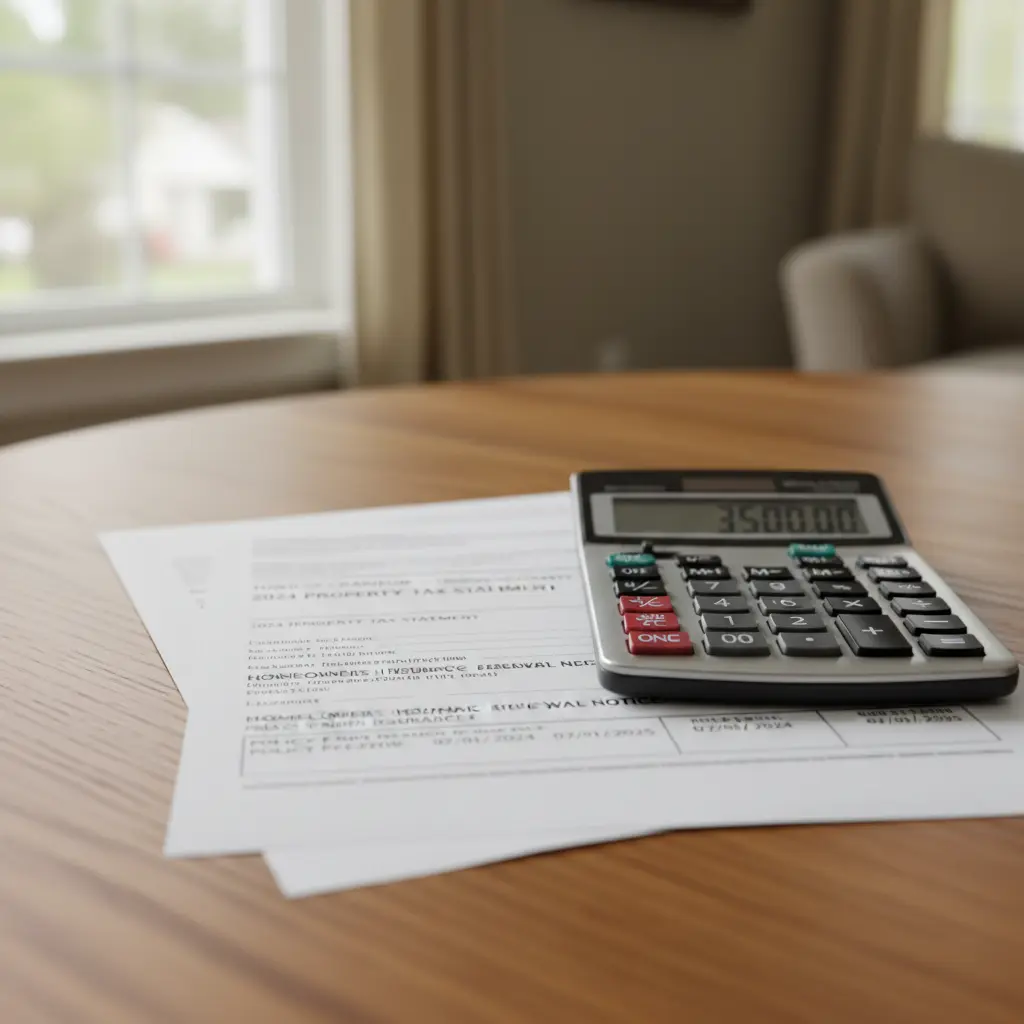
Why More Retirees Are Carrying Mortgages Than Ever Before
A generation ago, paying off the house before you retired was the rule, not the exception. That has flipped. According to research published by the Federal Reserve Bank of Boston, between 1989 and 2022 the share of homeowners aged 65 to 79 carrying a mortgage rose by 17 percentage points, and the median mortgage debt for that group jumped by over 400%.
That’s not a small shift. It means a meaningful number of people who expected to retire mortgage-free are instead heading into their fixed-income years still owing six figures on the house. There are real reasons for it: people bought later, refinanced to pull out equity for college tuition or medical bills, or simply rode rising home prices into bigger mortgages. None of that makes anyone foolish. It just means the playbook your parents used doesn’t quite apply.
In New Jersey, the squeeze is sharper. Property taxes here run higher than almost anywhere in the country, so even a paid-off home still costs $9,000, $12,000, or $18,000 a year before you’ve turned on a light or fixed a roof. The mortgage isn’t the only number that matters, but it’s usually the biggest one a homeowner can actually do something about.
The Real Case for Paying Off Your Mortgage Before You Retire
Most financial advisors will run the math on your mortgage rate versus your expected investment return and tell you it’s a wash, or that you’d come out ahead keeping the loan. The math isn’t wrong. But it leaves out the part that matters most after age 65: cash flow flexibility.
Here’s what the spreadsheet doesn’t capture:
- A paid-off house lowers your required monthly income. If your mortgage is $2,400 a month, you need $28,800 more per year in retirement income just to stay even. Eliminating that payment can mean the difference between needing to draw from a 401(k) at age 67 and waiting until 70.
- It removes a single point of failure. A market downturn the year you retire is uncomfortable. A market downturn the year you retire while you still owe $180,000 on the house is a crisis.
- It changes how you sleep. This sounds soft, but every senior who has paid off their mortgage will tell you the same thing: the psychological weight of owing the bank money in retirement is real, and lifting it changes things you didn’t know it was affecting.
- It opens up options. A free-and-clear home is the most flexible asset you own. You can sell it. You can borrow against it. You can pass it down. With a mortgage on it, every one of those options gets more complicated.
None of that means you should drain your retirement accounts to wipe out a 3.25% mortgage. It does mean the decision to pay off mortgage before retirement is bigger than the interest-rate comparison.
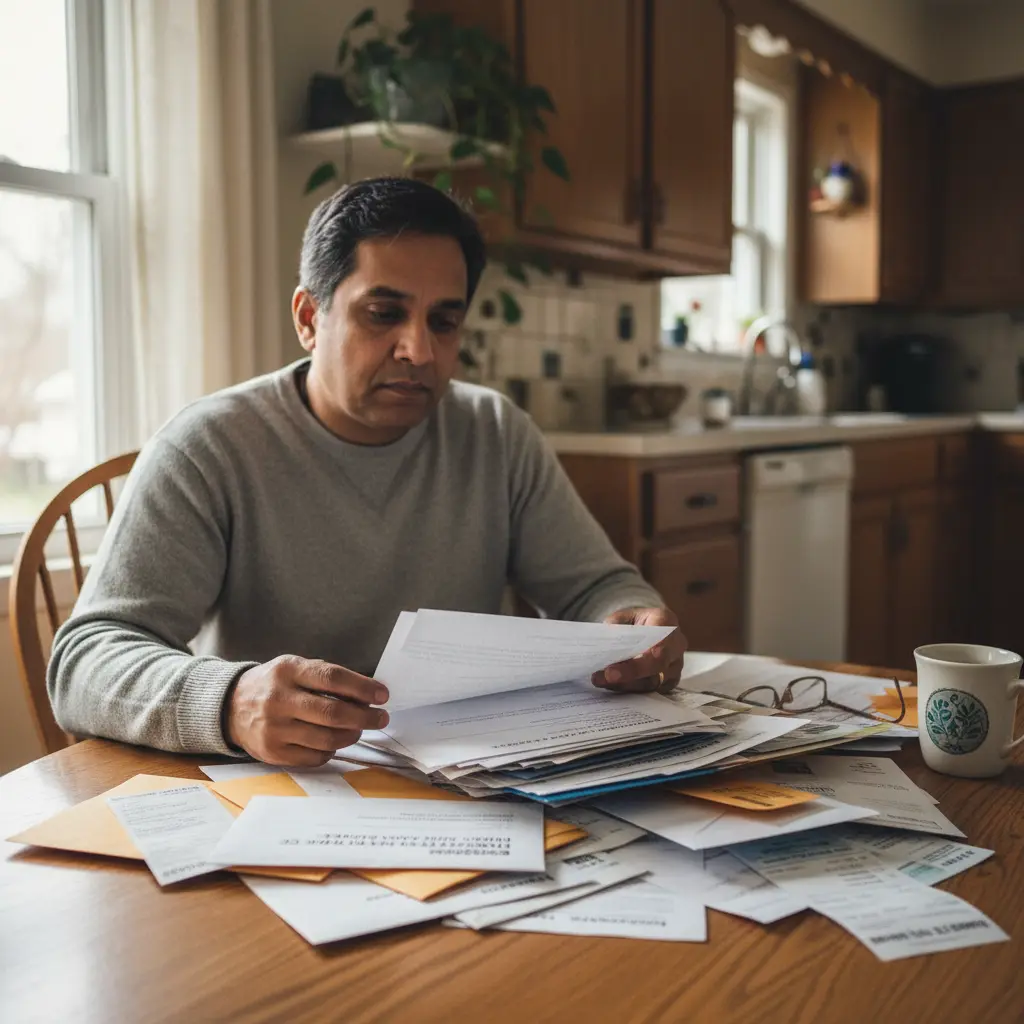
When Paying It Off Doesn’t Make Sense
Honesty matters here. There are situations where rushing to pay off the mortgage is the wrong call:
- You don’t have a real emergency fund. Putting your last $40,000 toward the principal and then needing a new HVAC system three months later puts you in a worse spot than you started.
- Your mortgage rate is below 4% and your retirement accounts are underfunded. Pulling from a 401(k) to kill cheap debt usually triggers taxes that wipe out the benefit.
- You’re planning to move within five years anyway. If selling is on the horizon, accelerating principal payments is just shifting cash around. The closing will settle the balance regardless.
- The house is too big or too expensive to keep, mortgage or not. If your taxes, insurance, and upkeep are eating your retirement income, paying off a mortgage on a property you can’t afford to live in is solving the wrong problem.
That last one is the conversation we have most often. A homeowner in Westfield or Maplewood calls thinking they need to figure out how to pay off the mortgage faster, and after twenty minutes it becomes clear what they really need is to figure out whether the house still fits the life they want. Those are different questions with different answers.
Five Real Ways to Pay Off Mortgage Before Retirement
If the goal is to retire without a mortgage, there are really only a handful of legitimate paths. Here’s how each one actually works:
1. Make One Extra Principal Payment Per Year
Adding a single extra principal payment annually can shave roughly 4 to 6 years off a 30-year mortgage, depending on your rate and how early you start. Easiest method: take your monthly payment, divide by 12, add that amount to every regular payment. By the end of the year you’ve made the equivalent of a 13th payment without ever feeling it.
2. Refinance to a Shorter Term, Not a Lower Payment
If rates ever drop and refinancing makes sense again, the move for someone five to ten years from retirement is to a 15-year fixed, not another 30. The monthly payment goes up, but the interest savings and the guaranteed payoff date are the whole point. According to Freddie Mac’s Primary Mortgage Market Survey, 15-year rates have historically run 0.5 to 0.75 percentage points below 30-year rates, which compounds meaningfully over the life of the loan.
3. Use Windfalls Strategically
Tax refunds, bonuses, inheritance, the sale of a second car. People assume small lump sums don’t matter on a mortgage. They do. A single $10,000 principal reduction in year 18 of a 30-year loan can take more than a year off the schedule.
4. Downsize Now, Not Later
For a lot of NJ homeowners in their early 60s, the most realistic path is to sell the four-bedroom colonial, take the equity, and buy something smaller in cash, or close to it. The federal capital gains exclusion lets a married couple shield up to $500,000 of profit from the sale of their primary residence. That’s often enough to walk into a townhouse or condo with no mortgage at all. If you want to understand the tax side of that move, our piece on selling your home in New Jersey walks through the exclusion in detail.
5. Sell the House Outright and Reset
This is the option people skip because it feels drastic. It often isn’t. If the house has appreciated meaningfully and the mortgage balance is modest, selling, paying off the loan, and putting the rest toward retirement income or a smaller home is the cleanest version of paying off mortgage before retirement that exists. No years of squeezed budgets, no accelerated payment schedule, no waiting. You can see how our process works if a fast cash sale is part of what you’re considering.
The New Jersey Wrinkle: Property Taxes Don’t Care If You Own It Free and Clear
One thing that catches NJ homeowners off guard: paying off the mortgage doesn’t make the house cheap to keep. Property taxes in towns like Cranford, Westfield, Summit, Montclair, and Ridgewood routinely run $12,000 to $20,000 a year. On a fixed retirement income, that’s a mortgage-sized payment that never goes away.
If you’re going to stay in your NJ home through retirement, two state programs are worth knowing about:
- Senior Freeze (Property Tax Reimbursement): For homeowners 65+ with income under the annual limit (currently $168,268 for 2024), this program reimburses the difference between your current property tax bill and your “base year” amount. It doesn’t lower the bill, it just keeps your effective tax frozen at the level you started at.
- ANCHOR Program: Replaced the old Homestead Benefit. Most senior homeowners qualify for $1,500 annually, paid as a direct rebate.
These don’t replace the mortgage payoff conversation. They sit next to it. A free-and-clear home with a $14,000 tax bill and $1,500 of ANCHOR relief is still costing about $1,040 a month before insurance and maintenance. That’s the real number you should be planning around when you decide whether paying off mortgage before retirement actually solves the problem you’re trying to solve.
A Working Example: The Linden Two-Family
One homeowner we spoke with last spring was a 67 year old man who owned a two-family in Linden. It was purchased in 1992 with a mortgage balance of $147,000 at 5.875%. Monthly P&I: about $1,310. Property taxes: $11,400. Rental income from the upstairs unit: $1,800.
On paper, the numbers looked good.
In practice, the upstairs tenant was three months behind, the boiler needed replacement, and his wife wanted to be closer to their daughter in Pennsylvania.
He’d been planning to spend the next four years aggressively paying down the mortgage so he could retire debt-free.
Once we ran the actual math, the picture changed. Selling the property at fair value let him pay off the mortgage, settle the back-taxes situation, walk away from the boiler problem, and net enough to buy a smaller home in PA outright. Four years of squeezed budgeting collapsed into one closing. That’s not the right answer for everyone. It was the right answer for him.
How to Decide What’s Right for Your Situation
The decision to pay off mortgage before retirement comes down to four honest questions:
- Do you actually want to stay in this house for the next 15 to 20 years? Not “could you” or “should you.” Do you want to. If the answer is no, the payoff conversation is the wrong one.
- What’s the realistic monthly carrying cost without the mortgage? Add up taxes, insurance, average maintenance (figure 1 to 2% of home value annually), and utilities. That’s your true cost of staying.
- Where would the payoff money come from, and what’s the tax cost of getting it? Pulling $200,000 from a traditional IRA to kill a mortgage can trigger a tax bill of $50,000+ depending on your bracket. Sometimes the cure costs more than the disease.
- Is there a simpler version of the goal you’re after? If “no mortgage” is shorthand for “less financial stress in retirement,” selling and downsizing often gets you there faster, cleaner, and with more cash left over.
Frequently Asked Questions
Almost never in a single lump sum. A large 401(k) withdrawal can push you into a higher tax bracket and trigger a tax bill that wipes out years of mortgage interest savings. If you want to use retirement funds, talk to a CPA about a multi-year withdrawal strategy that keeps you in a manageable bracket.
The textbook answer is to invest if your expected return is higher than your mortgage rate. The real-world answer for someone within 10 years of retirement is more complicated. Reducing fixed expenses heading into retirement has a value the spreadsheet doesn’t capture, especially if a market downturn would force you to sell investments at a loss to cover the mortgage.
The mortgage gets paid off at closing directly from the sale proceeds before any money comes to you. Your title company orders a payoff statement from your lender, wires the exact balance, and you receive the remainder. There’s nothing you have to do separately to “deal with” the mortgage, it settles automatically as part of the closing.
Yes, but it requires a short sale, where the lender agrees to accept less than the full balance owed. This is uncommon in NJ right now given how much home values have risen, but if you’re underwater the process takes longer and requires lender cooperation. Most homeowners who think they’re underwater actually aren’t once you account for current market value.
It can cause a small, temporary dip because you’re closing an installment account, but the effect is minor and short-lived. For someone heading into retirement, credit score matters far less than it did when you were applying for loans. The cash flow benefit of being mortgage-free dwarfs any score impact.
It varies, but a common scenario in Union or Essex County looks like this: sell a $650,000 home, pay off a $150,000 remaining mortgage, buy a $375,000 townhouse in cash, and walk away with roughly $100,000 in liquid funds plus elimination of both the mortgage and roughly half of the property tax burden. The savings on annual carrying costs alone often run $8,000 to $15,000.
If the home was your primary residence for at least 2 of the last 5 years, a single filer can exclude up to $250,000 of profit from capital gains tax, and a married couple filing jointly can exclude up to $500,000. For most NJ seniors selling a long-held primary residence, this exclusion covers the entire gain.
Ready to Talk Through Your Situation?
If you’ve been quietly running the numbers on whether to pay off mortgage before retirement, or wondering if selling makes more sense than holding, we’re easy to talk to. John Maretti has been buying homes across New Jersey for years, family run, no middlemen, no pressure. Sometimes the right answer is to keep the house and accelerate the payoff. Sometimes it’s to sell, take the equity, and start retirement clean. We’ll help you figure out which one fits your situation, even if the answer is “neither, stay put.” You can call or text (908) 341-0891, or send a note to hello@localrei.com. Most people find 10 minutes on the phone answers everything they came here wondering. You can also see what other NJ sellers have said about the process.
